

Transforming Interiors: The Role of Architraves in Modern Home Design
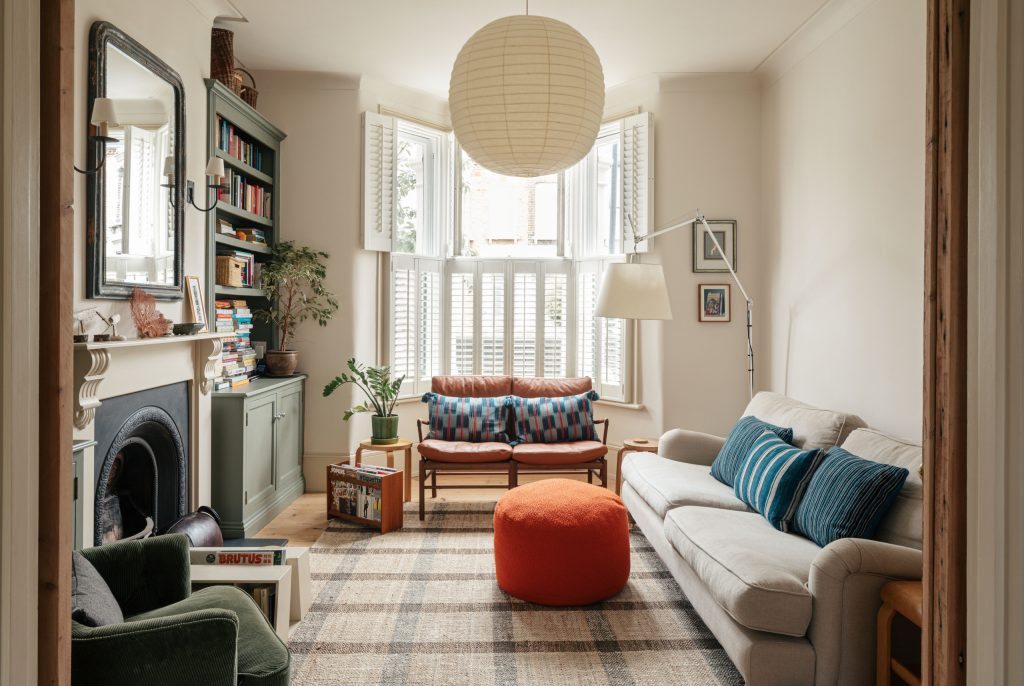
In modern home design, attention to detail is no longer an afterthought—it defines the entire aesthetic of a space. One element that has gained renewed appreciation in contemporary interiors is the architrave. Often overlooked, architraves are not merely functional; they play a significant role in shaping the visual language of a room. By framing doors, windows, and openings, architrave provide a seamless transition between walls and architectural features, adding depth and sophistication to any interior
Traditionally, architraves were primarily used to conceal gaps and protect edges from wear and tear. While these practical purposes remain relevant, their function has evolved. Today’s designers approach architraves as a vital design component, using them to accentuate architectural lines, introduce texture, and contribute to the overall harmony of a space. Their versatility allows them to complement various styles, from minimalist modern homes to classic, ornate interiors.
The choice of material plays a crucial role in defining the character of an architrave. Wood remains a popular choice due to its warmth and adaptability. Painted finishes offer clean, crisp lines that blend seamlessly with contemporary decor, while natural wood grains add an organic, timeless appeal. Alternatives such as MDF and composite materials provide cost-effective options without compromising on design flexibility. The material selected can subtly influence the mood of a room, making it essential to align choices with the overall interior palette.
Beyond material, the profile and design of architraves contribute significantly to their impact. Simple, flat designs are favored in minimalist interiors, emphasizing sleekness and understated elegance. In contrast, layered or intricately molded architraves can transform a room into a statement of sophistication, reflecting classical influences while still harmonizing with modern furnishings. Designers often experiment with width, depth, and layering to create visual interest and define spatial boundaries without overwhelming the decor.
Another notable trend in modern home design is the use of architraves to create contrast and highlight architectural features. Dark-colored architraves against light walls or vice versa can draw attention to doors and windows, subtly guiding the eye and enhancing the perception of space. Such thoughtful detailing demonstrates that even small elements can have a large effect on the overall ambiance and flow of an interior.
In addition to aesthetics, architraves contribute to the durability and longevity of interiors. By protecting edges from impact and wear, they maintain the integrity of walls and openings, reducing maintenance over time. This combination of practical and decorative function underscores why architraves are a valuable investment in home design.
Ultimately, architraves are no longer just functional trim; they are a deliberate design choice that elevates modern interiors. By carefully selecting materials, profiles, and finishes, homeowners and designers can create spaces that are both visually appealing and enduring. In a world where design sophistication is increasingly defined by attention to detail, architraves serve as a quiet yet powerful tool, transforming ordinary interiors into spaces of refined elegance.