Seoul LTP Applications: Proven 24% Rebound After Decline
Seoul LTP applications have rebounded 24% after a four-month decline, signaling renewed interest in admissions.
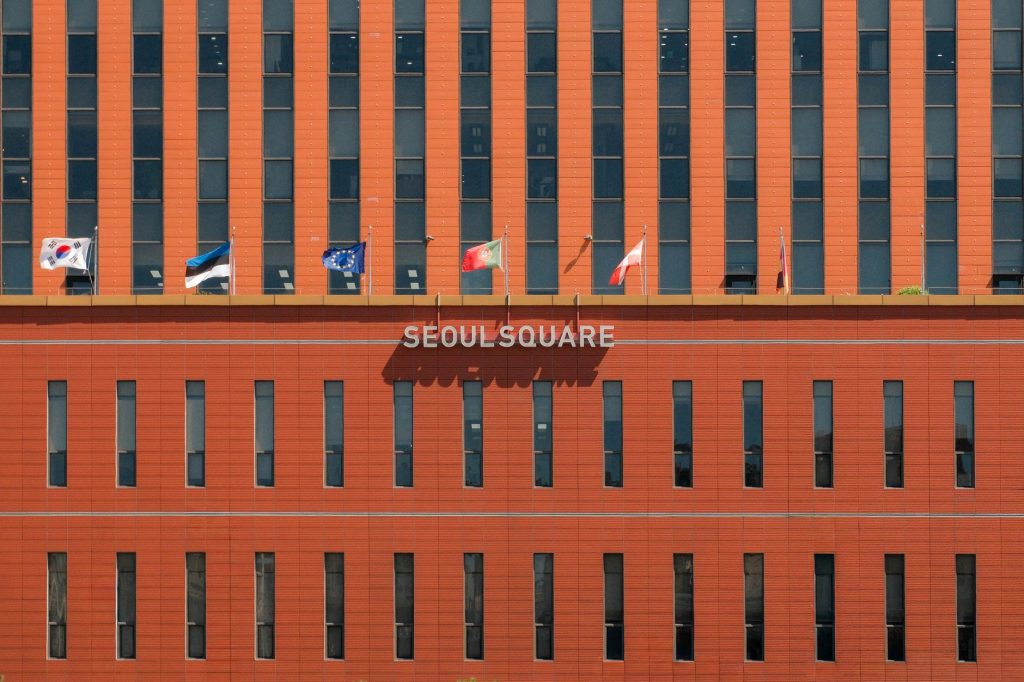
Seoul LTP applications have seen a significant rebound of 24% after four months of decline, indicating a shift in the admissions landscape.
Understanding the Recent Increase in Applications
The recent surge in Seoul LTP applications has captured the attention of many industry analysts, as the numbers reflect a remarkable 24% rebound following a four-month decline. This increase can be attributed to several key factors that have contributed to a revitalization of interest in long-term plans.
Firstly, the easing of pandemic-related restrictions has allowed for more flexibility in urban planning and development, encouraging businesses and individuals to reconsider their long-term projects. Additionally, the city’s government has introduced new incentives aimed at stimulating economic growth, which have made LTP applications more appealing than ever before.
Moreover, there has been a growing awareness of the benefits associated with sustainable urban development, leading to a rise in applications that focus on environmentally friendly practices. Stakeholders are increasingly prioritizing projects that not only meet immediate needs but also contribute positively to the community and the environment.
As a result, many experts believe that this upward trend in Seoul LTP applications will likely continue, driven by both market demand and supportive government initiatives. The renewed interest suggests a promising outlook for future urban development in the region.
Factors Behind the 24% Rebound
The recent 24% rebound in Seoul LTP applications can be attributed to several key factors that have influenced the market dynamics.
- Economic Recovery: As South Korea continues to recover from the pandemic, businesses and individuals have regained confidence, leading to increased activity in the property sector.
- Government Initiatives: New policies aimed at supporting housing stability have encouraged more applicants to engage with the leasing process, contributing to the surge in applications.
- Increased Demand: The rise in remote work has prompted many to seek larger living spaces or homes in less densely populated areas, thereby driving the demand for long-term leases.
- Market Adjustments: As rental prices adjusted to more favorable rates, many prospective tenants found opportunities that fit their budgets, prompting a renewed interest in securing long-term properties.
- Seasonal Trends: The time of year often sees an uptick in housing applications as families prepare for the new school year, aligning with the recent increase in LTP applications.
These factors combined have played a significant role in the notable rebound, showcasing the resilience of the Seoul housing market amidst ongoing challenges.
Comparative Analysis of Previous Trends
The recent surge in Seoul LTP applications marks a significant turnaround in the landscape of urban development and transport management. Analyzing previous trends provides critical insights into how this rebound was achieved after a notable decline.
Historically, the patterns of LTP applications have fluctuated in response to various socio-economic factors. The following points illustrate key observations:
- Economic Conditions: Previous downturns in applications often correlated with economic slowdowns, where investment in urban projects declined.
- Policy Changes: Shifts in government policies related to transport and housing have influenced application rates significantly.
- Public Sentiment: Changes in public opinion regarding urban development typically affected the willingness to submit applications.
- Technological Advancements: The introduction of new technologies has played a role in enhancing application processes, leading to increased submissions.
The recent 24% rebound indicates a stabilization in both the economy and public confidence in urban planning initiatives. This trend suggests that stakeholders are increasingly optimistic about the future of transport development in Seoul, reflecting a broader commitment to sustainable urban growth.
Implications for Future Admissions
The recent rebound in Seoul LTP applications signals a significant shift in the admissions landscape, with potential implications for future enrollment strategies. As institutions reassess their approaches, several key factors may influence their decisions moving forward.
- Increased Competition: With the rise in applications, schools may face heightened competition for top candidates. This could prompt institutions to enhance their marketing efforts and outreach initiatives to attract prospective students.
- Focus on Quality: The rebound suggests a growing interest in quality education. Institutions may prioritize strengthening their programs to meet the expectations of a more discerning applicant pool.
- Admissions Policies: As the landscape evolves, admissions offices might consider revising their criteria to adapt to changing applicant demographics, thus ensuring a fair and equitable selection process.
- Long-term Strategies: Educational institutions could develop long-term strategies based on the recent trends observed in Seoul LTP applications. This may include diversifying recruitment efforts and enhancing support services for incoming students.
Ultimately, the implications of this 24% rebound extend beyond immediate enrollment figures, potentially reshaping the future of admissions in Seoul and beyond.
Expert Opinions on the Recovery
Experts in the field have weighed in on the recent surge in Seoul LTP applications, highlighting its implications for both prospective students and educational institutions. Dr. Han Soo-jin, an education analyst, remarked, “The 24% rebound in applications signifies a renewed interest in the educational opportunities available in Seoul.” She emphasized that this trend may stem from increased global confidence and a shift in student priorities following the challenges of the past few years.
Additionally, Professor Kim Jae-won, a leading researcher on educational trends, stated, “The recovery is not just a number; it reflects a broader shift in how students view their futures.” He noted that many applicants are now seeking programs that offer better job prospects and international experiences, which Seoul’s LTP programs are increasingly providing.
Furthermore, industry insiders suggest that the 24% increase could also encourage institutions to enhance their offerings. “As competition rises, schools may invest more in facilities and resources,” said Ms. Lee Min-hee, a higher education consultant. This could lead to a positive cycle of growth and improvement in the educational landscape of Seoul.
- Increased global confidence
- Shifts in student priorities
- Enhanced program offerings
Recent data indicates that Seoul LTP applications have shown resilience, bouncing back significantly after the downturn. This rebound of 24% in Seoul LTP applications highlights the growing demand and trust in the local market.
Photo by Henry Acevedo on Pexels